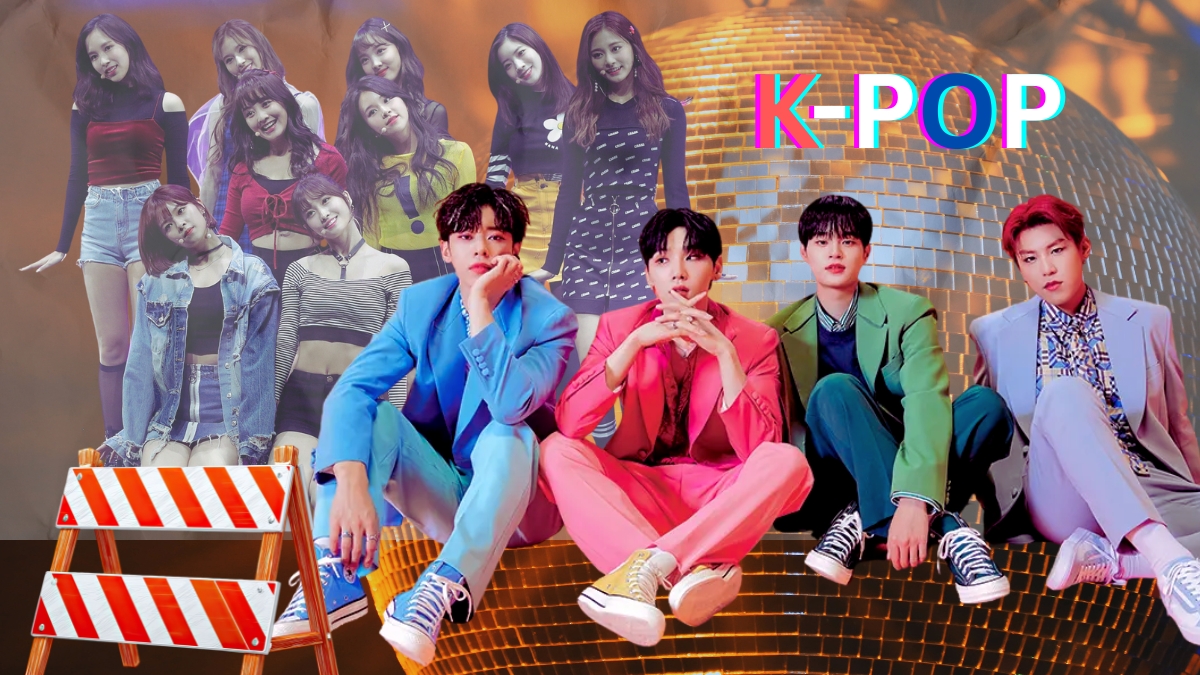
When bubblegum hooks meet barbed wire gatekeepers
Santa Clara (California) [USA], January 21: Hollywood loves a wall. A gate. A velvet rope with a publicist guarding it like a dragon with a spreadsheet. Enter K-pop: neon-bright, algorithm-savvy, multilingual, and utterly uninterested in waiting for permission.
This isn’t a crossover. It’s a siege.
The Barricades (Made in L.A.)
Hollywood’s music machinery still runs on a charming antique belief: global means “English, plus maybe London.” Awards calendars, radio formats, and studio deal math cling to the idea that taste trickles down from Los Angeles like sacred rain. K-pop looked at that system, nodded politely, and built a pipeline straight to fans—no translators required, just subtitles and stamina.
The barricades weren’t breached. They were bypassed.
The Trojan Horse Wears Gloss
K-pop didn’t arrive with guitars and grit to prove seriousness. It arrived with choreography sharp enough to cut glass, visuals loud enough to start arguments, and songs that refuse to apologise for joy. Hollywood mistook this for fluff. That was adorable.
Under the gloss is industrial discipline: training systems that would make Wall Street interns cry, release schedules timed like military ops, and fandoms that operate with the efficiency of a hedge fund—minus the moral ambiguity (okay, less moral ambiguity).
Language Barrier? That’s a You Problem
Hollywood spent decades insisting English was the toll booth to global success. K-pop responded by turning the toll booth into a merch stand. Fans learned lyrics phonetically. Charts learned humility. Radio programmers learned what denial sounds like.
The punchline? K-pop didn’t break the language barrier. It exposed it as imaginary—an industry excuse dressed up as concern.
Algorithms Don’t Care About Your Oscars
Streaming platforms don’t ask for studio approval. TikTok doesn’t require a press junket. YouTube doesn’t need a greenlight. K-pop mastered the holy trinity early, feeding the machine with precision and personality while Hollywood argued about “authentic virality.”
Turns out the algorithm’s love language is consistency, spectacle, and fandoms that treat comebacks like national holidays. Who knew.
Hollywood’s Favourite Word: “But”
Hollywood’s response has been a masterclass in reluctant admiration.
“They’re huge, but are they sustainable?”
“They sell out stadiums, but what about longevity?”
“They chart globally, but do they translate culturally?”
Translation: Please stop winning while we’re still deciding if you’re real.
The Fandoms Are the Point
K-pop fans don’t consume. They mobilize. They organise streaming parties like union meetings and defend their idols with the intensity of constitutional lawyers. Hollywood used to call this “niche.” Now it calls it “engagement,” whispers it reverently, and tries to recreate it with focus groups and branded hashtags.
Spoiler: You can’t manufacture devotion with a marketing deck.
Dark Humour Interlude
Hollywood spent a century exporting American pop culture to the world. K-pop said, “Thanks for the infrastructure,” and sent it back—optimised, subtitled, and emotionally devastating.
Globalisation is funny like that.
The Real Clash
This isn’t East vs. West. It’s old power vs. new flow. Centralised tastemakers vs. decentralised fandoms. Gatekeeping vs. gravity.
K-pop doesn’t need Hollywood to fall. It just needs it to keep standing very still while the crowd walks around.
Final Beat Drop
The barricades are still there. Award shows still squint. Radio still hesitates. But the stadiums are full, the streams are loud, and the money is multilingual.
Hollywood can keep polishing the gate.
K-pop already found the door—and it’s labelled “Global.”